
/The Reckless Conversations/
EPISODE 8
TYING THE LOOK
A belt might seem simple.
Yet across centuries, belts and sashes have held far more than clothes altogether. They carried symbols of power, ritual & identity.
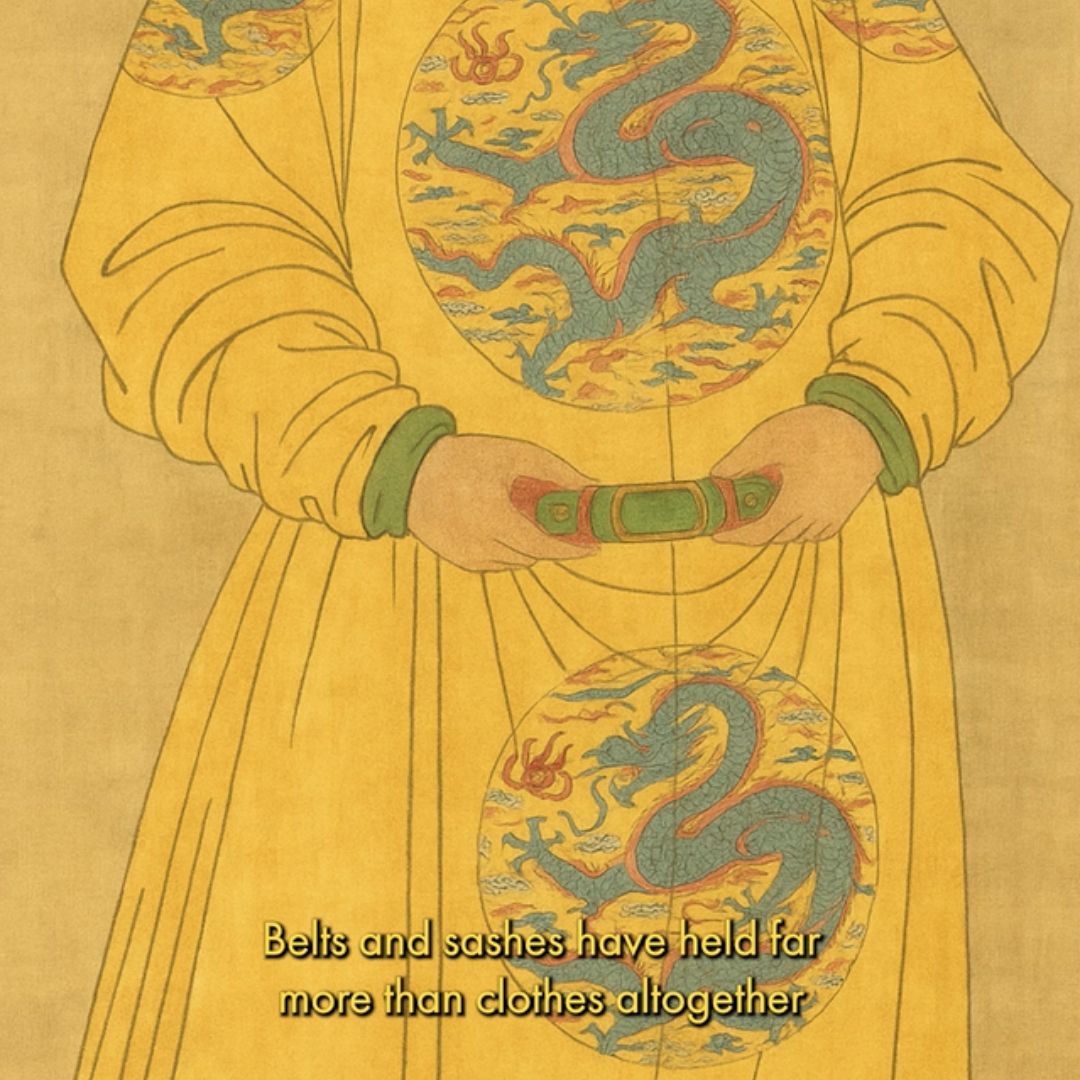
HISTORY OF BELTS & SASHES
In ancient Rome, a belt signified status, worn by soldiers as a mark of strength.
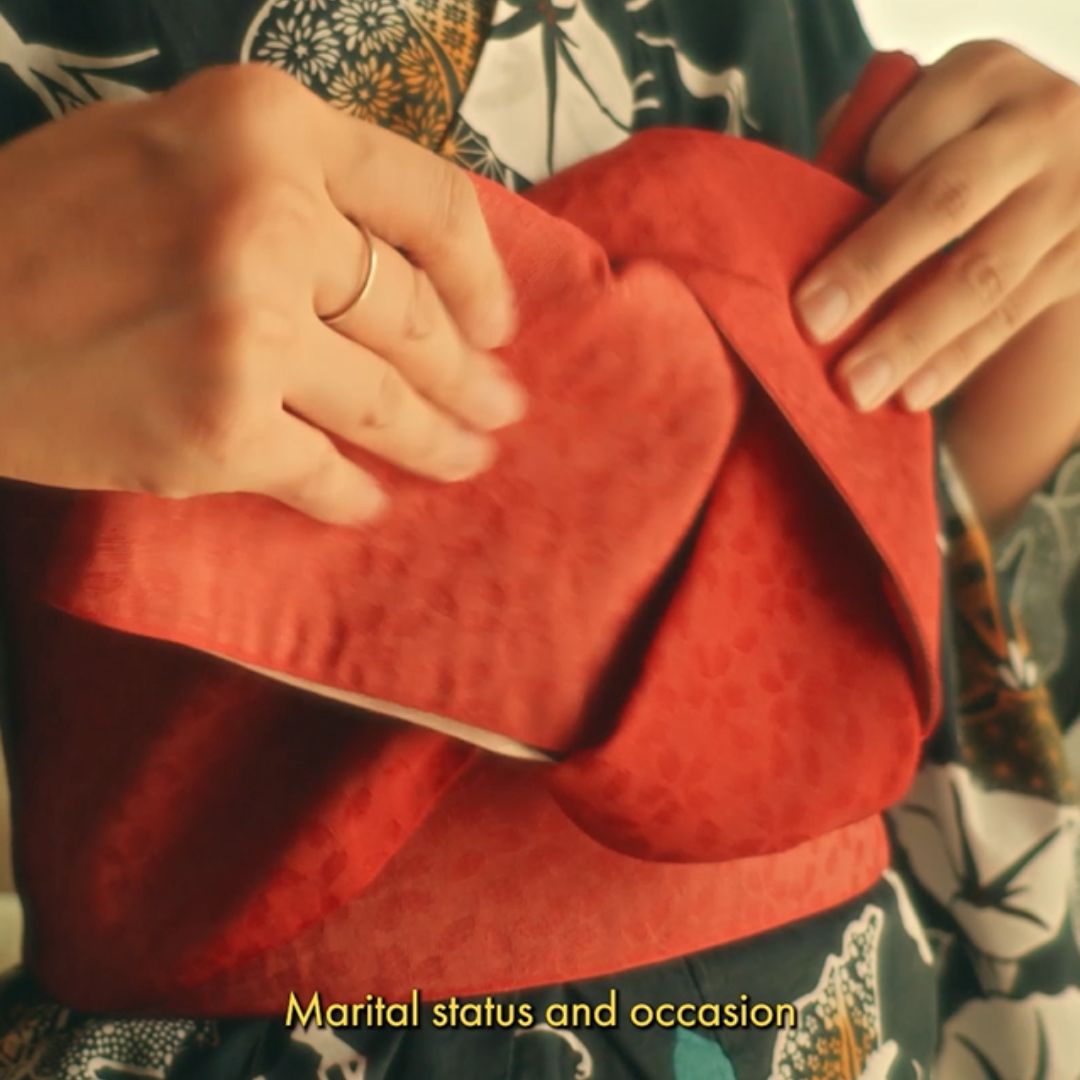
In Japan, the obi is never just functional. Its length, its fabric, even the knot— all communicate age, marital status & occasion. It holds a world of etiquette and identity.
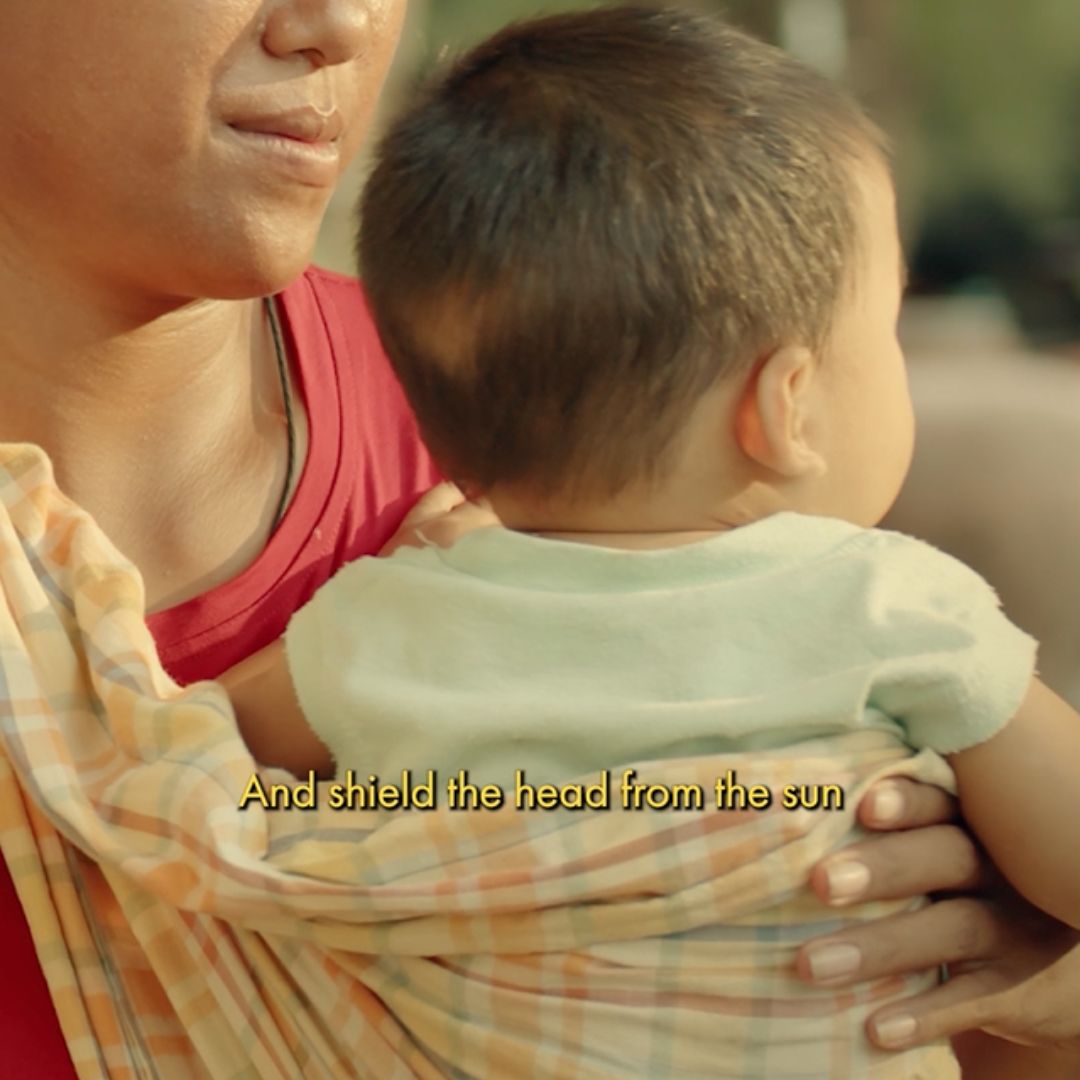
In Southeast Asia, long woven sashes could even carry a child and shield the head from the sun.
And through time, the belt and sash evolved with culture.
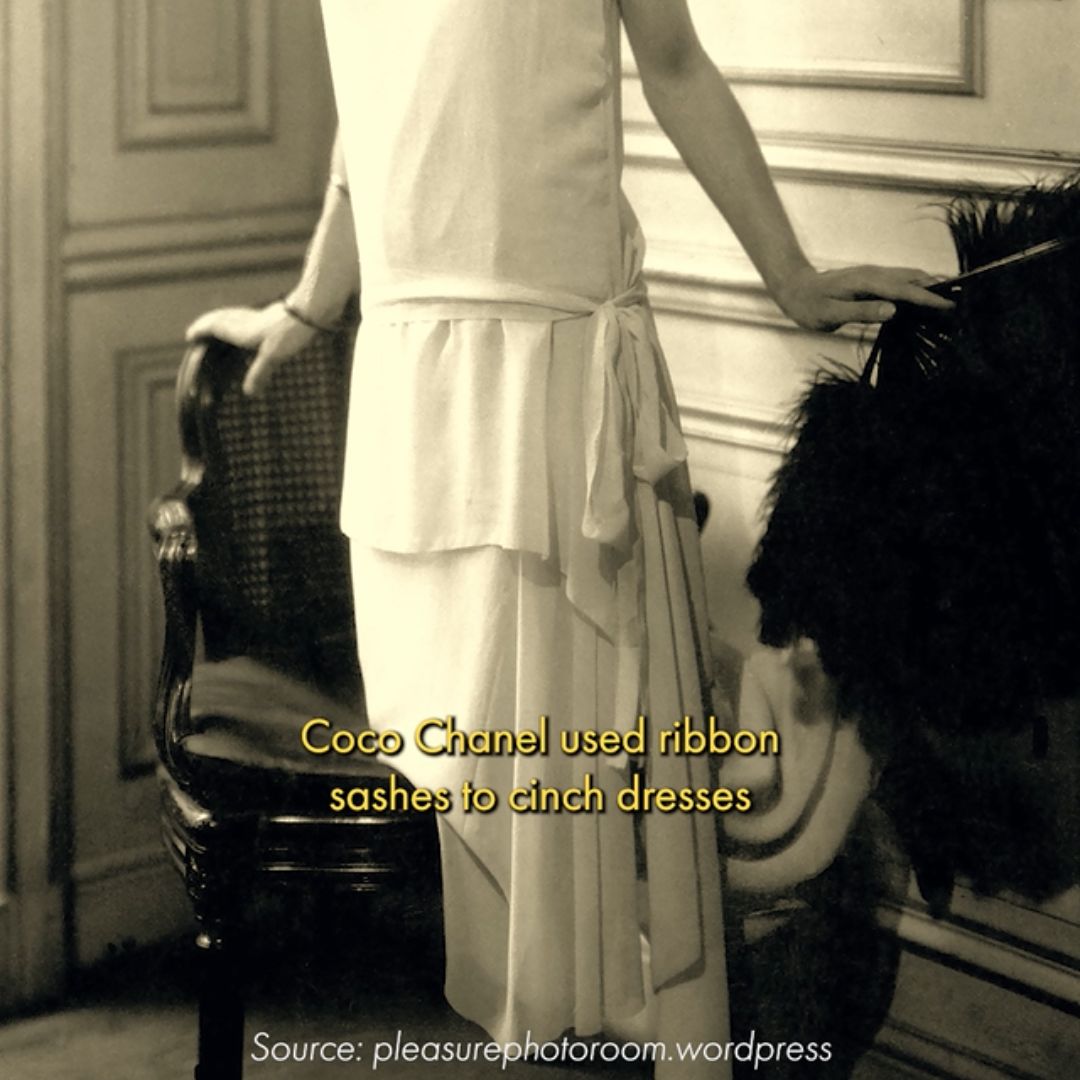
In the 1920s, Coco Chanel used ribbon sashes to cinch dresses, rather than rigid corsetry, to achieve a softer silhouette.
In the 80s, Issey Miyake reimagined the obi, creating sculptural folds and ties that turned the act of dressing into art.
PURPOSE BEHIND BELT SASHES
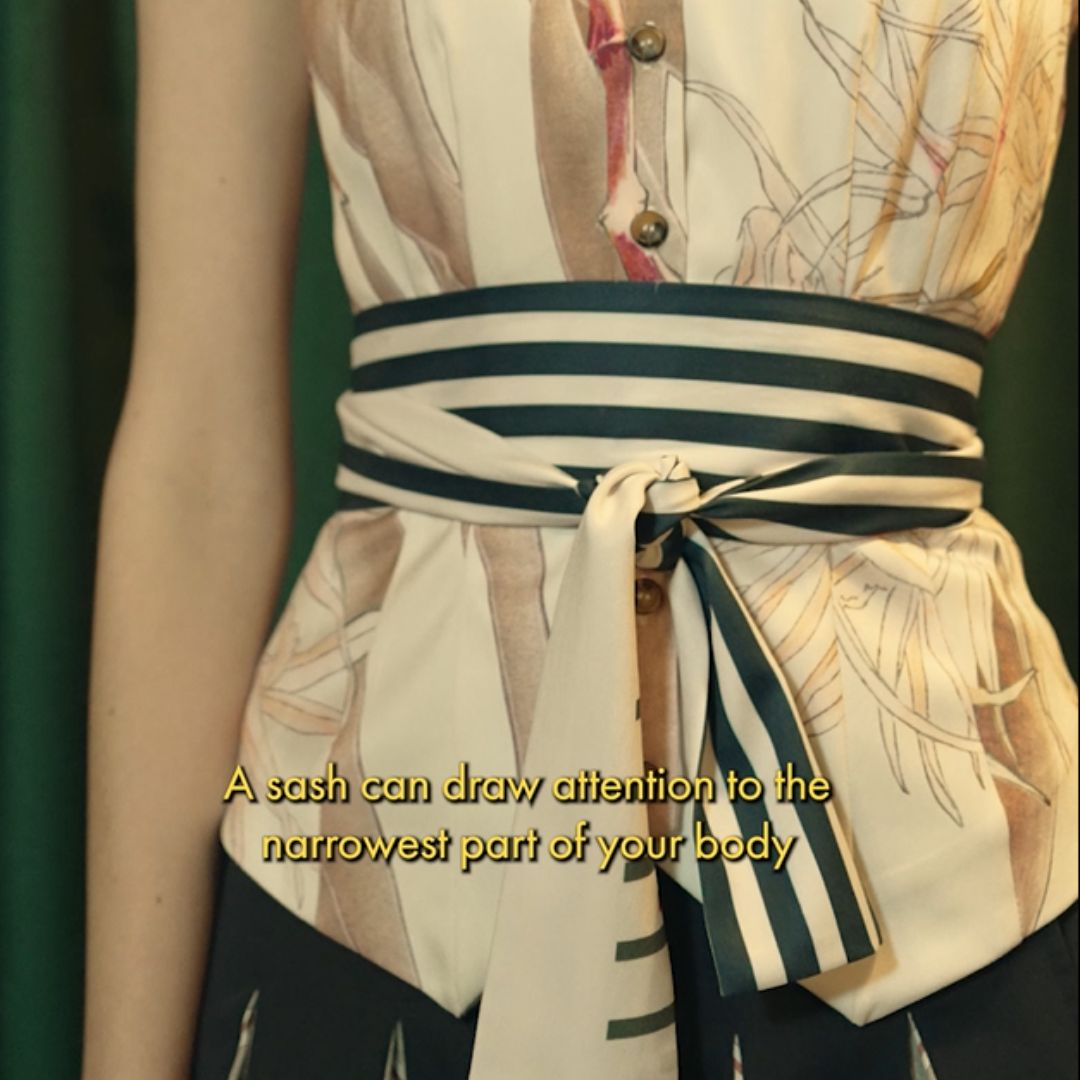
A sash can draw attention to the narrowest part of your body, creating a flattering and defined waistline. It is an invitation to shape the silhouette your way. It is also a simple way to add a pop of colour or complementary pattern to an outfit. A belt sash can also be used to break up a pattern, like a visual pause.
At Reckless Ericka, every belt sash we design begins with print & purpose.
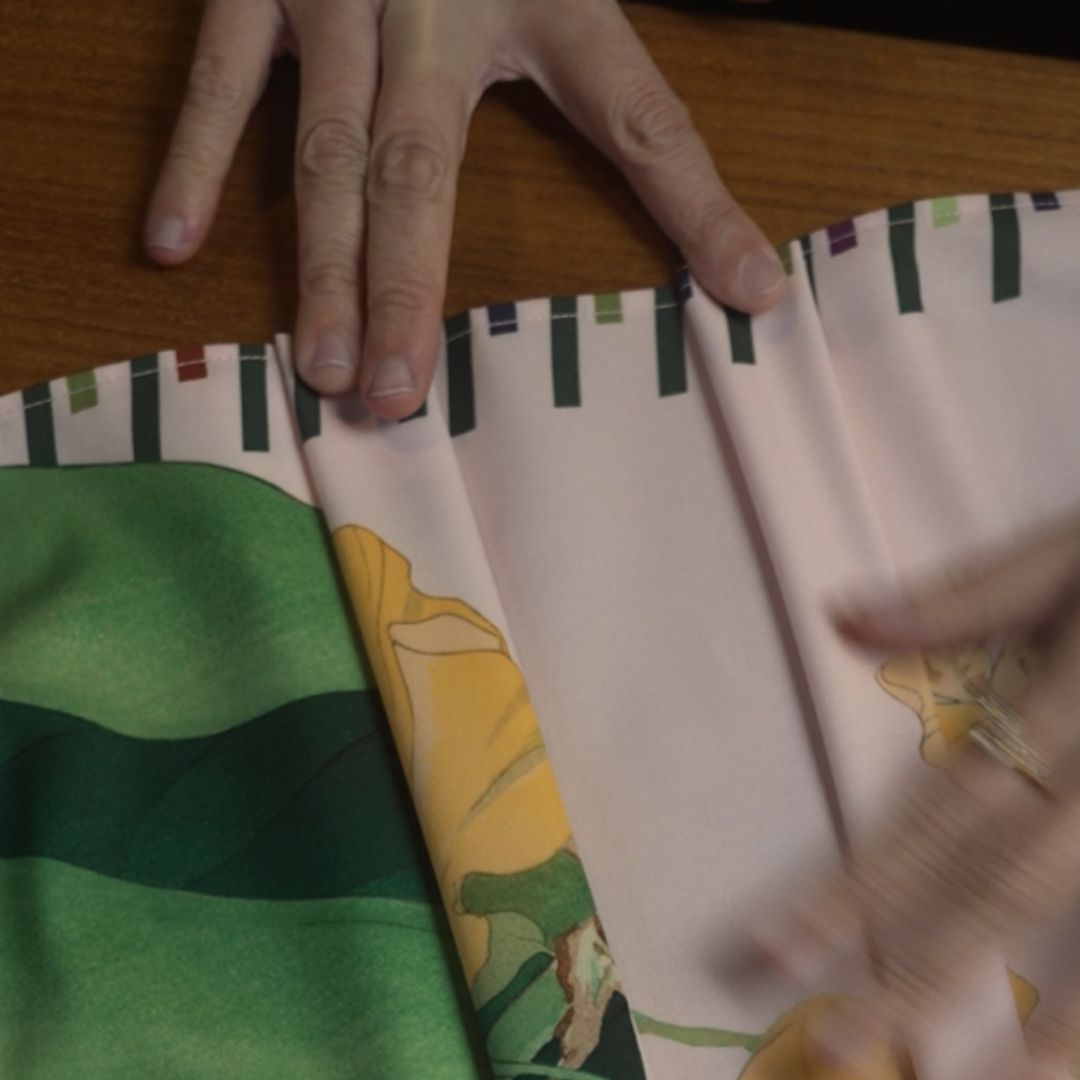
It has to carry its own rhythm & balance. Sometimes it’s the quiet edge of a motif; sometimes the beauty is in the contrast.
Every placement is intentional.
We often like to introduce a different colour or print that shifts the conversation slightly.
It’s our way of creating tension and harmony at once.
Because contrast, when balanced, makes everything around it come alive.
Colour plays its own role too.
We think about it psychologically — how it makes you feel when you wear it. Warm tones for confidence and energy, cool tones for calm and reflection, neutrals for strength.
Our approach is inspired by Josef Albers — how colours transform depending on what they’re placed next to. Each shade reacts, responds & redefines the one beside it.
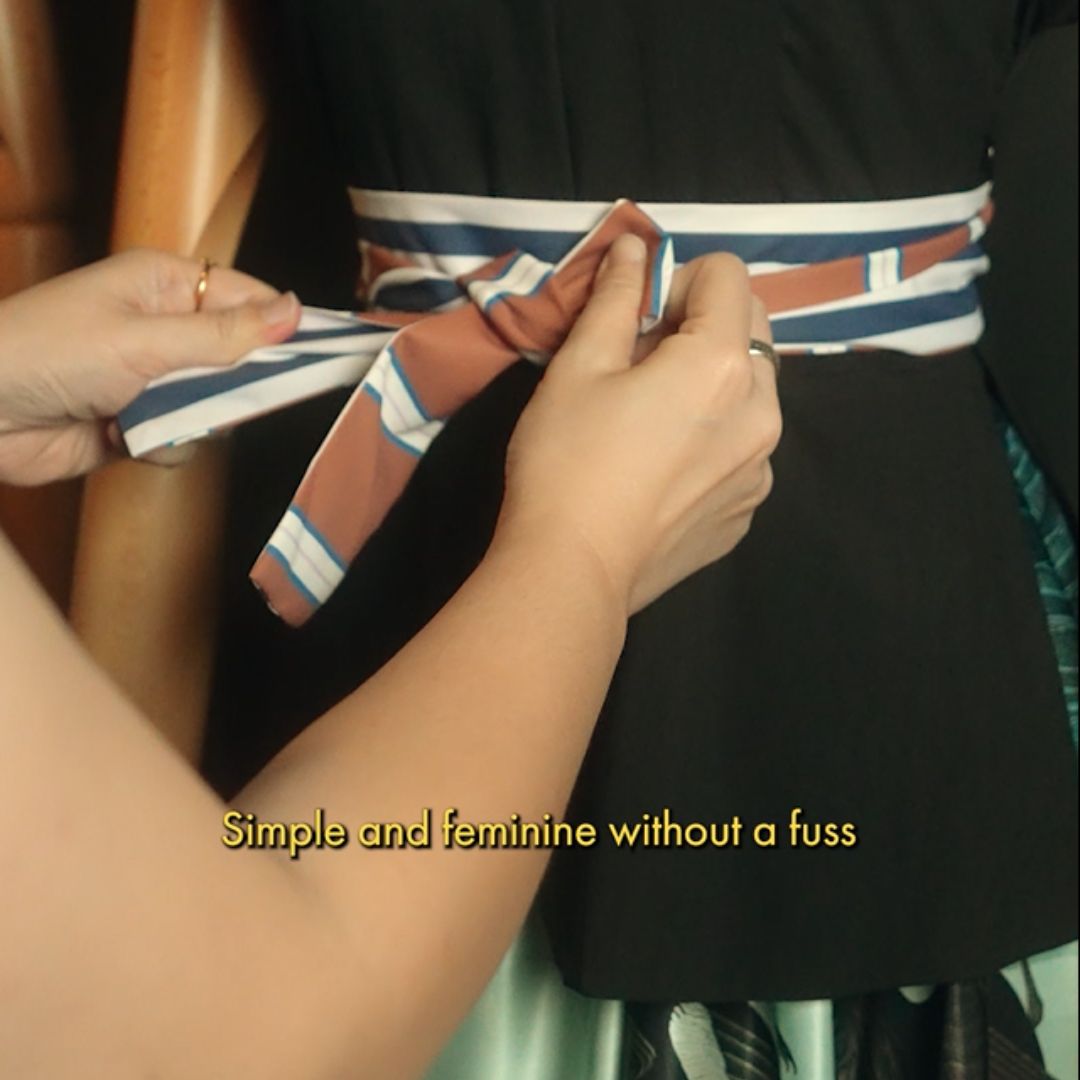
And then, there’s the knot.
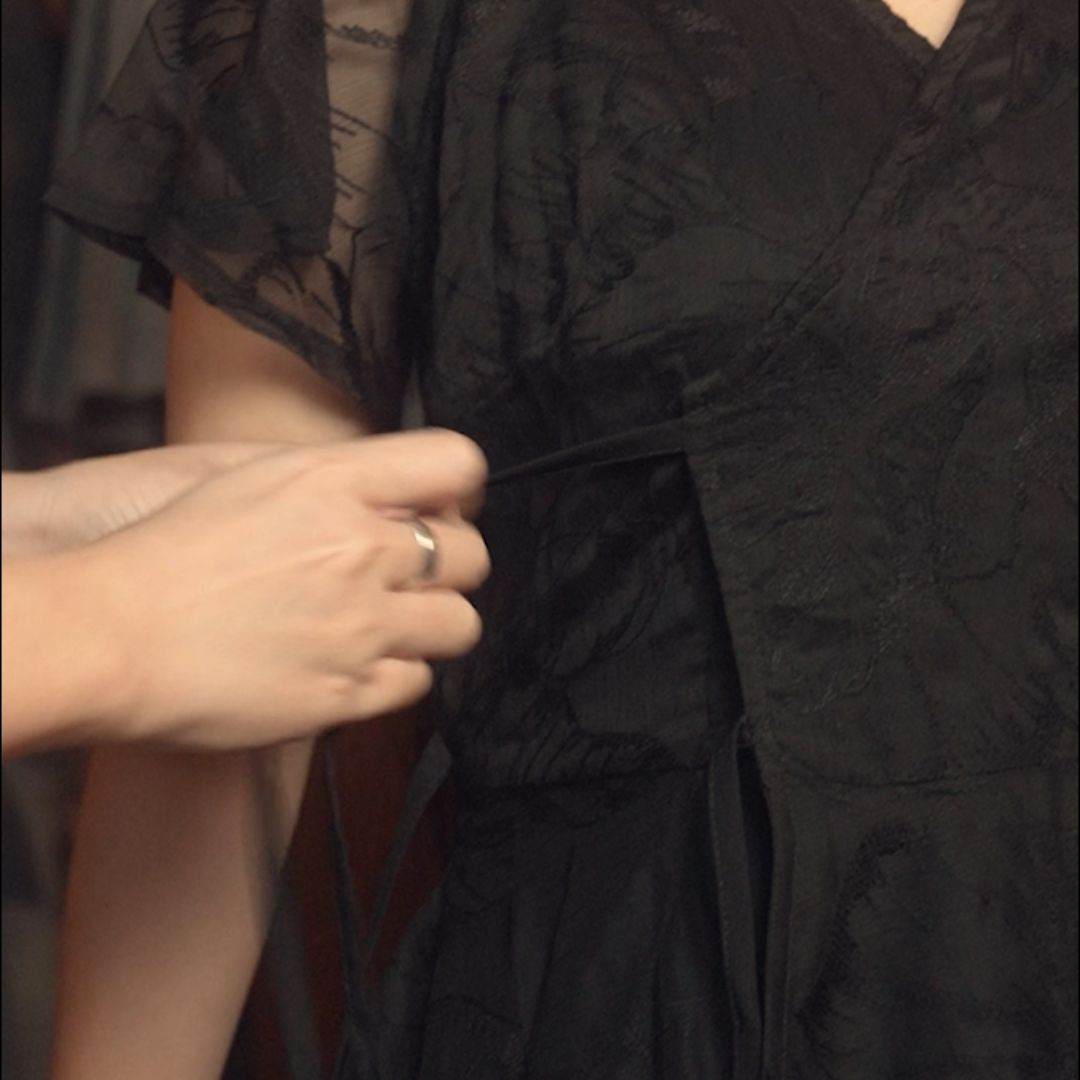
We like a single-loop ribbon — simple and feminine without fuss.
It sits lightly, just enough structure to hold, just enough looseness to breathe.
The belt becomes more than an accessory.
It’s a line of emotion, contrast, and connection — tied around the waist.